Intergenerational Pain Reframed as a Game of Hot Potato
Dec 30, 2025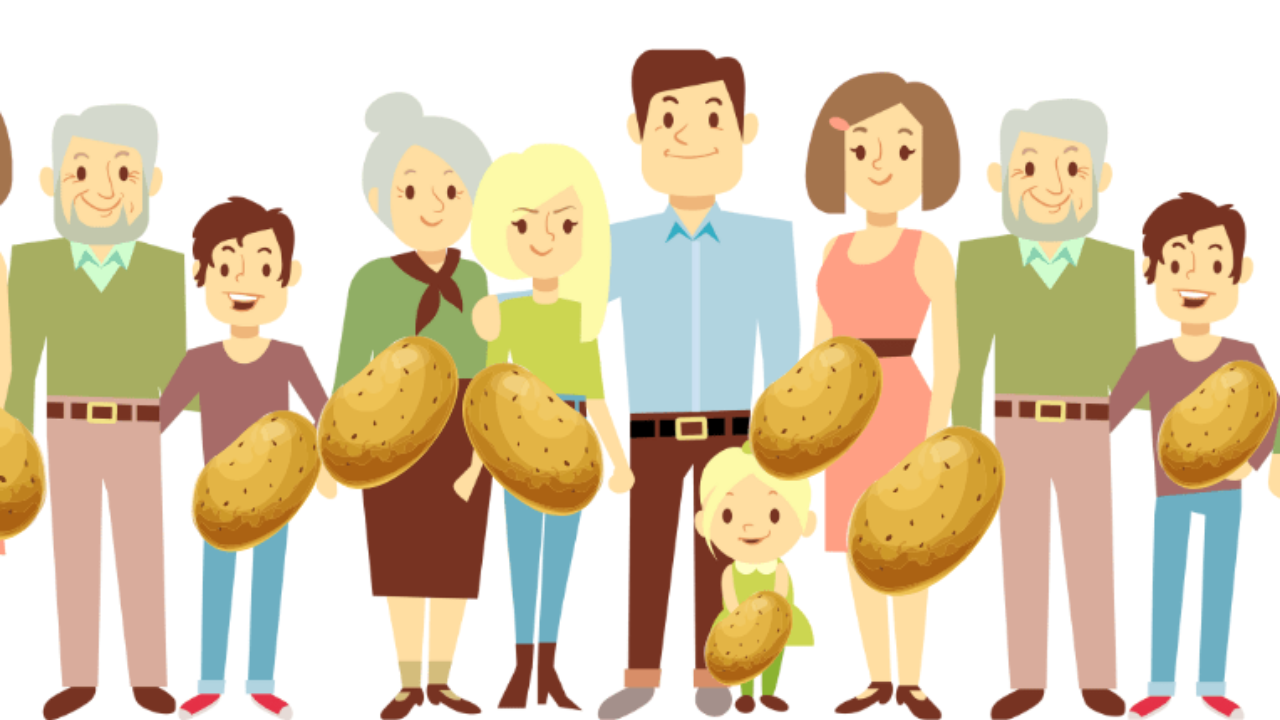
It’s helpful to think of intergenerational pain like a giant game of Intergenerational Hot Potato. Let me explain.
When a person has big emotional pain and doesn’t learn how to manage it, they’re likely to (subconsciously) hand that pain to someone else – often their child – as a way of trying not to feel it. We hand our pain to someone else by how we treat them, what we teach them, and what we expect of them. The subconscious goal is to make the other person feel how we feel.
What does this have to do with Hot Potato? Picture a line of people, or better yet, your family tree. At some point, someone higher up in the tree gets a hot potato – a painful feeling, belief, or behavior. Some examples of hot potatoes include low self-esteem, anxiety, or emotional dysregulation.
They get the potato when something painfully impacts how they feel about themselves or the world. The potato often comes from how their parent treats them. Sometimes the treatment is very specific to that parent. Sometimes generations of people hold a similar potato because of large-scale events like wars, genocide, famine, or economic recession.
Regardless of how they got it, the potato is hot and painful to hold, so at some point, without even thinking about it, this ancestor throws it to the next person in line so they don’t have to feel it anymore. The next person in line is usually their child; the potato always gets thrown to someone with less power. Their child takes the potato because children generally take in whatever their parent gives them. We soak in what our parents are doing and saying.
Occasionally, a child will recognize that this potato does not belong to them, but typically they internalize the pain their parent handed them. The internalized pain impacts who that child becomes and how they live, just like it did for their parent.
The potato continues to be hot and painful because it isn’t getting dealt with properly. It isn’t acknowledged as something that can be managed differently or put down. So when someone less powerful comes along, the child, now an adult, throws it to that person in an attempt to lessen their own pain. The game continues for generations.
There are two reasons the potatoes continue to be passed down: pain is compelling – we will do anything to not feel it – and it is often invisible. People don’t realize that they are passing pain down. They don’t realize that they are making their child feel just like they have always felt. They’re just reacting to their pain.
It doesn't have to be this way; the potato doesn't have to be passed down. If we can acknowledge the pain and learn how to manage it – instead of letting it manage us – we can break the cycle and stop our family’s lineage of pain.
First, we have to see it. Starting by looking at ourselves, we have to notice the painful feelings, beliefs, and/or behaviors that are shared by family members. The potato could be low self-esteem, anxiety, mistrust of the world, a scarcity mindset, emotional numbness, feeling chronically guilty or angry, hoarding, or a pattern of physical abuse. There are so many painful potatoes that get passed down – this is a just small subset.
Next, we have to be willing to hold onto the pain and cope with it appropriately instead of offloading it onto someone else. We have to see it as our responsibility, even if we didn’t create it. Seeing it as a giant game of Hot Potato helps.
Once we see the hot potato and its journey, the pain that got handed down through the generations of our family, we can see that the only reason we got handed it was because we happened to be next in line – not because we “deserved” it in any way. That helps us to start unhooking from it instead of passing it on.
“Unhooking” doesn’t necessarily mean you never feel the pain anymore. It means you recognize the pain for what it is – something that shows up that you are learning not to prioritize. You are learning not to listen to it or react to it. You are learning to respond to it in whatever way serves you best. You are learning to deal with your pain. You are cooling down the hot potato.
What you are not doing is passing it down for someone else to deal with. Your child may still have anxiety or may still contend with low self-esteem, but you’ll be able to see it for what it is and help them unhook from it. You’ll help them learn how to respond instead of react to it.
Keep an eye out for your hot potatoes, then cool them down. That’s how you break an intergenerational cycle of pain.
Stay connected with news and updates!
Join our mailing list to receive the latest news and updates from our team.
Don't worry, your information will not be shared.
We hate SPAM. We will never sell your information, for any reason.
