Who and What Is Your Inner Child? (aka: is this a woo woo thing or should I take it seriously?)
healing inner child personal development personal growth self-care self-esteem wellness Feb 08, 2026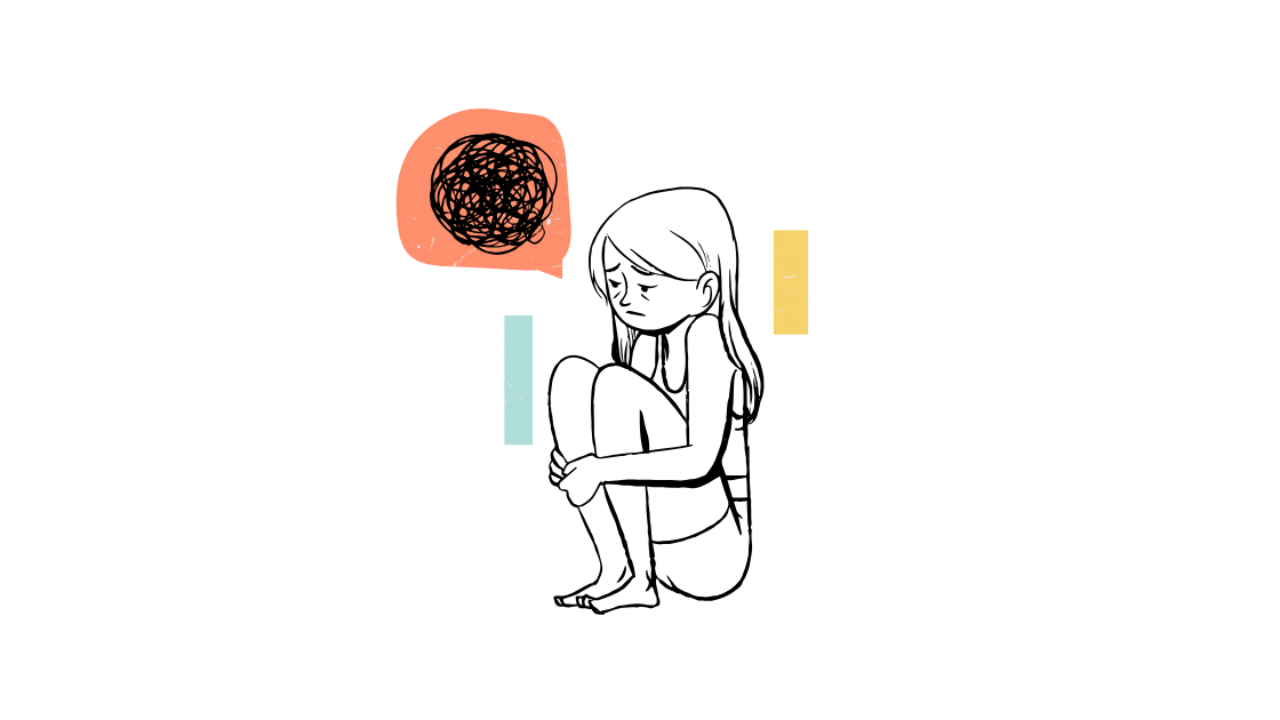
Sometimes when I suggest we do inner child work, my patient will look at me as if I’ve just offered to read their aura.
Though I’m a bit woo myself, I get it. “Inner child” sounds … not very science-y.
That said, yes, it’s helpful to take this concept seriously. Your inner child has the power to run your life regardless of whether you believe in her, and you both deserve for her to be healed.
So who – or what – is she?
Your inner child is the part of you who’s still living in your childhood. She’s an unhealed part of you – she feels all your painful childhood feelings as if the events that caused them are happening today. She sits with those painful feelings every day. She has the understanding and perspective of a child. When you grew up, she stayed behind.
She’s still 6 or 8 or 10, still living in that life.
Your inner child is still bracing for your mom’s mean words and actions. She’s still waiting for your dad to praise her and feeling unworthy and unimportant because he doesn’t. She feels unprotected by the people who are supposed to love her the most. This reality is all she knows.
It’s as if your inner child lives in a bubble that contains your childhood but not your adulthood. She doesn’t know about you – she thinks she’s on her own. She doesn’t know that you’ve grown up and have the power of an adult. She doesn’t know what you know. She doesn’t have the wisdom gained from your experiences.
Your inner child is a kid stuck in a painful loop, cut off from the opportunity to grow up and heal. She feels powerless because she can’t heal on her own, and she’s not aware of anyone helping her.
As powerless as your inner child feels, she actually has a lot of power. You feel it when she shows up; her power is in the power of those feelings. When you find yourself reacting “emotionally” instead of responding intentionally to something, your inner child is likely driving the bus. Her unhealed pain is so strong it takes over.
When your feelings are out of proportion to the precipitating event or they control your behavior even though you don’t want them to, it’s often an indication that your inner child is present; she’s all feelings and very little logic.
- When the person you’ve been on two dates with doesn’t call, your inner child shows up in your feelings of utter abandonment.
- When your boss kindly corrects your mistake, your inner child shows up in you feeling overwhelmed by shame and expecting to be punished.
- When you get called on in a meeting and you can’t think of the correct answer, your inner child shows up in you feeling inferior and small.
- When you fight with your partner, your inner child often shows up. It’s often your inner child arguing with their inner child. It’s not emotionally intelligent adults speaking; it’s hurt, little kids throwing sticks and rocks at each other or trying to become invisible and hide.
I have a patient* who knows, logically, that her partner is trustworthy and safe, but her inner child is terrified to trust that anyone could be there when she needs them. Because in the inner child’s world, no one is. The lack of trustworthy, reliable adults that my patient experienced in her childhood is still a daily experience for her inner child. It makes no difference that my patient is 62. Her inner child is 6, every day.
Logically understanding the impact of your childhood isn’t enough to help you move through the pain and heal it. The impact was emotional, not logical. You need to connect with it on an emotional level. That’s where the inner child lives.
So how do we help our inner child heal?
Treat her the way you wanted to be treated back then. Start by acknowledging her. Introduce yourself to her. Listen to her and validate her. Tell her that she’s not alone, that you see her, that you are her. Thank her for holding all of those painful feelings for you, and let her know she doesn’t have to do that anymore. Love her.
Pain generally needs to be acknowledged and validated. Children need to be loved. As complicated as we are, it’s that simple. It’s not woo – it’s being human.
So the next time your inner child shows up, see if you can pause and soften toward her. See if you can imagine introducing yourself to her and validating her pain. Imagine offering her love and compassion, the way you would offer it to a child who was crying and alone.
You both deserve this. ♥
If you’re interested in working with your inner child, claim your 30-day free trial of The Self-Reclamation Project and do the writing prompts, reflective exercises, and meditations in Months 1 and 2!
*Details changed.
Stay connected with news and updates!
Join our mailing list to receive the latest news and updates from our team.
Don't worry, your information will not be shared.
We hate SPAM. We will never sell your information, for any reason.
